From the seabed to the stars.
Twelve systems on one engine. Each reads one part of the planet or the sky, and each carries a status you can check.
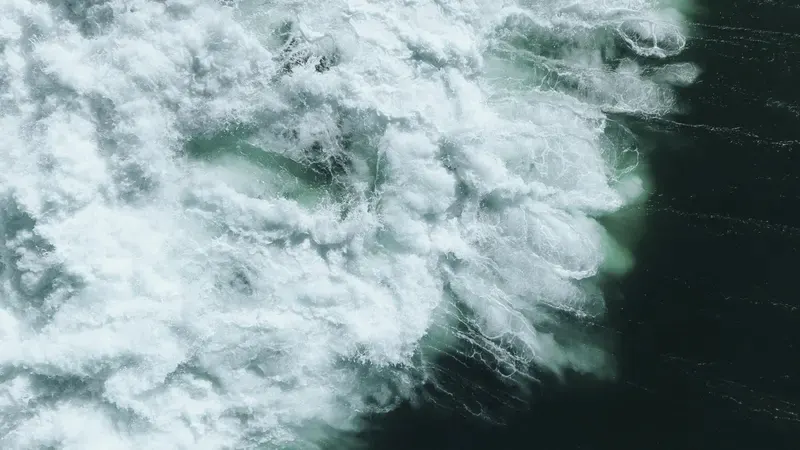
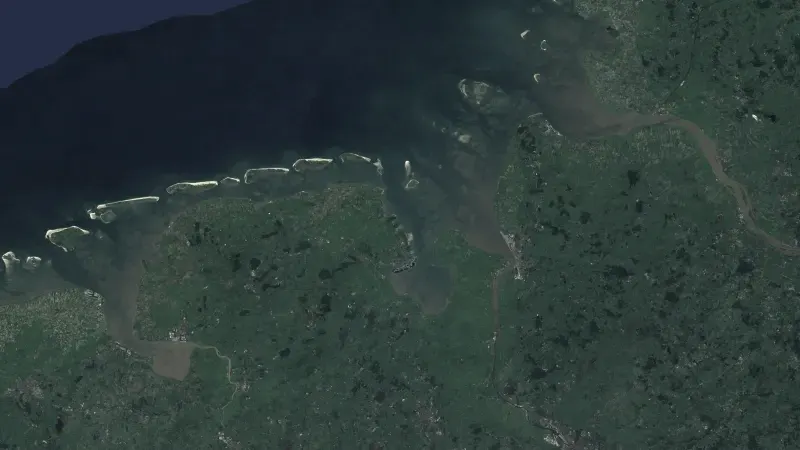
The sea.
Ships, cables and pipelines on the seabed, read from radar satellites and ship tracking.
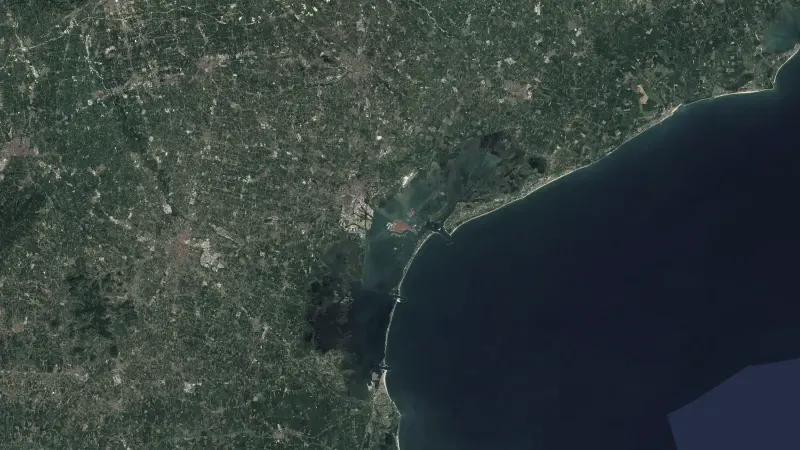
The ground.
Millimetres of rise and fall under cities, coasts, dams and railways.
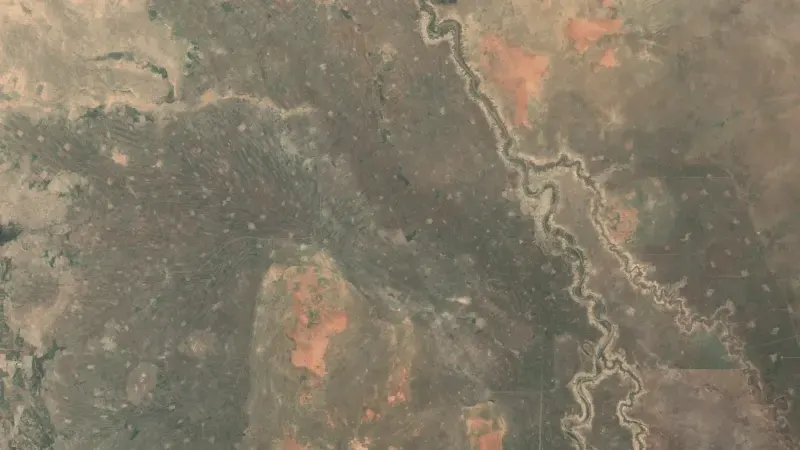
The forests.
Where tropical forest was cleared, and what cleared it.

Food.
The risk of a food crisis, 90 days ahead, graded in public afterwards.
Infrastructure.
Power plants, bridges, schools and water systems, followed from orbit.
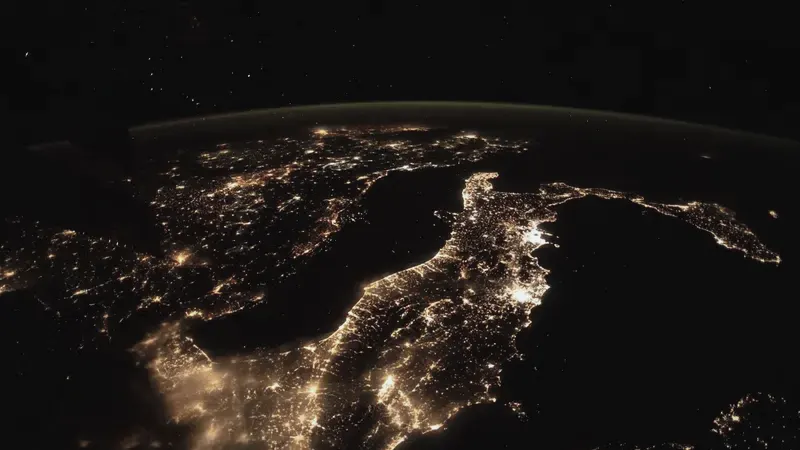
Climate and Earth data.
Climate models checked against observations, and Earth data aligned into one picture.
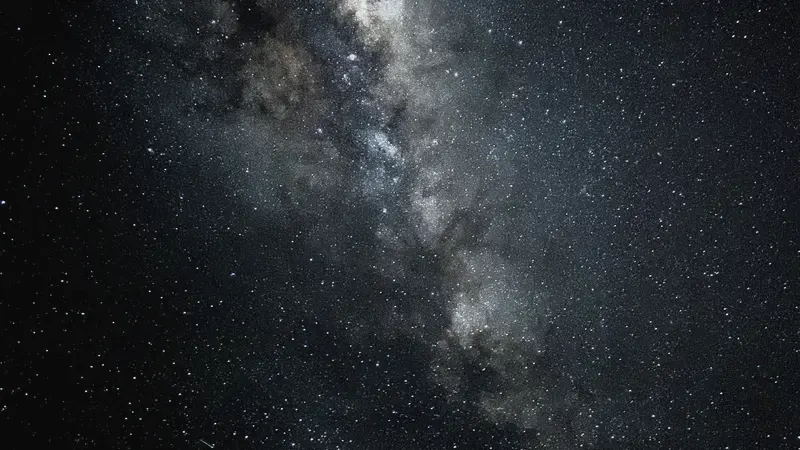
The stars.
1.8 billion stars in ESA's Gaia catalogue, read for what does not fit.
The method.
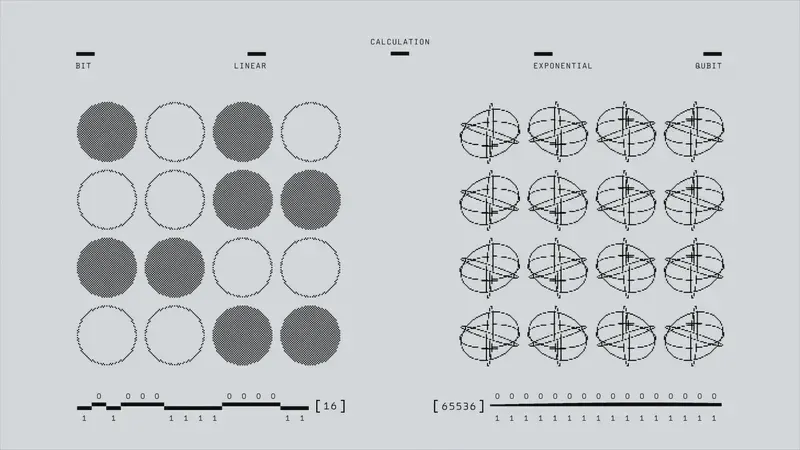
The engine underneath, and the instruments it has been run on.
Life sciences.
The same engine, applied to ageing and to women's health.
What a status means.
A status is a test a reader can run. A system that does not pass the test does not carry the status.
- Operational
- Running and open to check today. There is an address, an API, a repository or a delivered report a third party can open right now.
- In development
- Code runs, but not yet where others can check it. The code is written and runs internally, with nothing public to point at yet.
- Delivered
- A finished piece of work, not a running capability. A report or a result was handed over on a date.
- Research
- Design work only. A document exists, a system does not.
Also on the engine.
Work without a page of its own: a product built on PSE, open tools and two lines of research.
- FLUXRenewable energy siting on PSE, for Indonesia, Kenya and Vietnam. Our own product, not open source.
- Evidence verificationSigned evidence bundles with deterministic replay, red-team tested against six attack vectors.
- Northflow NotebooksNotebooks for climate, Earth observation and space research that run in Binder.
- Mission Data PipelineAn open ETL framework for CCSDS space telemetry packets, under MIT.
- Sentinel adapter, in development
- HGE on ESA Sentinel data, aimed at wildfire risk, deforestation and stress on infrastructure.
- EFOS, research
- A design concept for coordinating energy flexibility across European grids. A document exists, a system does not.
Where the research goes next.
Direction, kept apart from what runs today.
- Earth observation
- Wildfire risk, deforestation evidence, the sea and stress on infrastructure, with PSE for the data and HGE for the hypotheses. PSE runs today; the Sentinel adapter and Open Forest Watch are in development.
- The sea
- MARVIS version two, validated forward in time on one corridor with a pilot partner.
- Energy
- FLUX runs in Indonesia, Kenya and Vietnam. Grid flexibility in Europe is a working idea, EFOS.